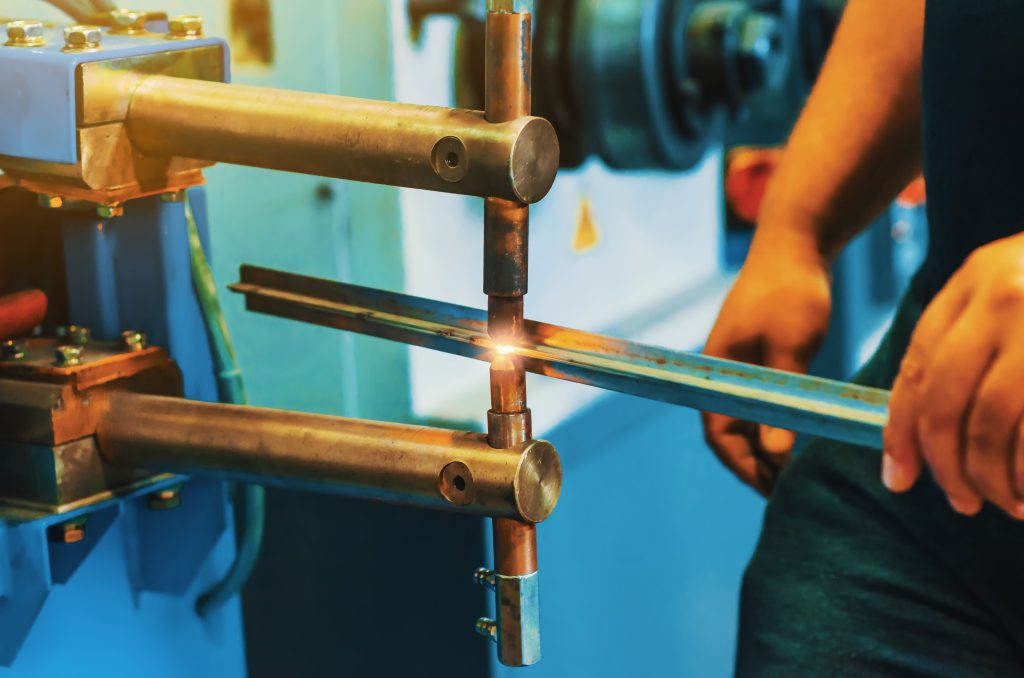
Resistance welding remains a cornerstone of modern manufacturing by continuing to deliver a reliable, efficient and cost-effective solution for metal joining. Despite the emergence of alternative joining technologies, resistance welding is still heavily used – particularly in high-volume production environments such as automotive, aerospace, appliance and electronics manufacturing. From vehicle bodies and aircraft components to household appliances and medical devices, the process consistently meets demanding production and quality requirements.
Key advantages, including high welding speeds, excellent repeatability, minimal part distortion and the ability to join a wide range of materials, have ensured resistance welding’s continued relevance. The process is especially effective for joining advanced and lightweight materials, including aluminum, while producing high-strength joints. Even as manufacturers integrate advanced technologies such as AI, resistance welding remains an indispensable part of the production floor.
This column is the first in a series on resistance welding. Please read on for an overview of the benefits and advancements related to this important welding process.
Key applications
- Automotive: Body panels, frames and structural components for traditional steel vehicles and lightweight aluminum designs
- Aerospace: High-strength, lightweight components where dimensional accuracy and minimal heat distortion are critical
- Electronics: Reliable joining of connectors, switches and battery components
- Appliances: Assembly of durable consumer products such as refrigerators, washers and dryers
- Railroad and construction: Joining structural components, accessories and heavy-duty assemblies
- Consumer goods: Production of wire baskets, racks and other everyday metal products
Continued use
There are several reasons why the use of resistance welding continues in industrial applications. First is speed and efficiency. Resistance welding is ideally suited for mass production, enabling rapid joining without the need for filler materials or consumables.
Next is high weld quality. Resistance welding produces strong, consistent and repeatable welds with relatively low heat input. Resistance welding also offers versatility. It is applicable to sheet metal, wire and a wide range of alloys, including today’s high-strength and advanced materials.
Finally, resistance welding is cost-effective. It provides a dependable and economical joining solution for large-scale and specialized manufacturing operations.
Modern advancements
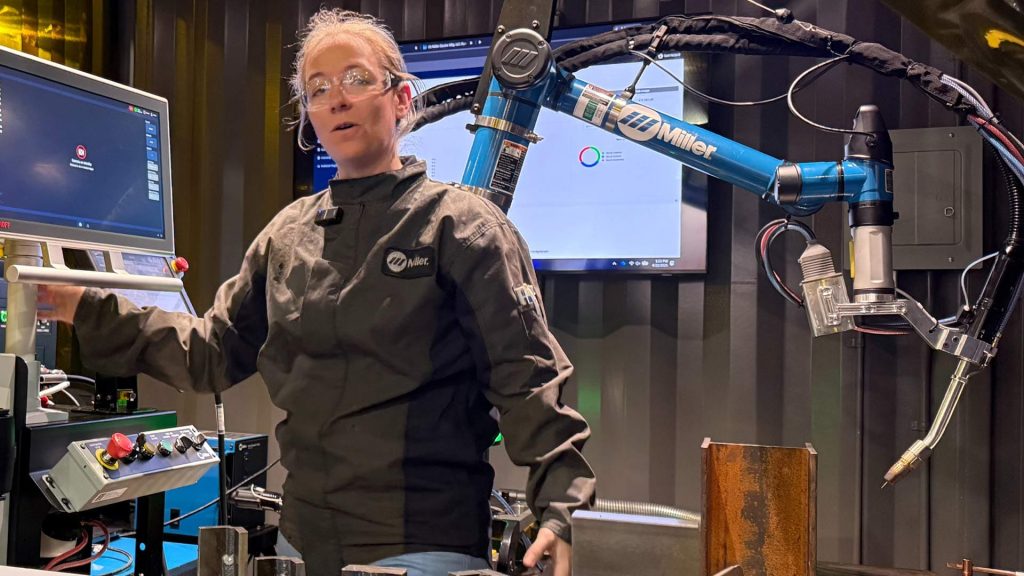
Modern advancements in resistance welding include AI and smart controls. The integration of sensors, data analytics and AI allows for real-time weld monitoring, predictive maintenance and adaptive process control – improving quality and equipment uptime.
With regard to lightweighting initiatives, resistance welding plays a critical role in joining new-generation materials used to reduce vehicle and aircraft weight, supporting improved fuel efficiency and performance.
To learn more, join us in every issue as we explore and demystify the resistance welding process. In upcoming installments, we will take a focused look at resistance welding and cover the various process types, common challenges, troubleshooting techniques and advances in technical understanding, along with the latest product innovations designed to improve performance and reliability. Whether you are new to resistance welding or a seasoned professional, these articles will deliver practical insight you can apply on the shop floor.