
Is it time for a bandsaw upgrade? Fabricators can get stuck in a “if it isn’t broke don’t fix it” mindset, but for those with any decades-old bandsaws chewing through material, there is probably an affordable solution available that can improve production.
Not everything needs to be automated or modernized, but fabrication shops and metal service centers competing for business are finding a niche in specialized services, and those services often begin with the initial cuts coming off a trusted saw. Making the right sawing upgrades or outright saw replacements requires a focus on the material being cut, the volume of material involved, the material’s various dimension considerations and, of course, meeting the needs of the customer in a timely manner.
The material
In the ideal environment, the saw operator cuts one type of material with little to no deviation from one cut to the next. But rarely does this environment exist. Rather, job shops are tasked with meeting the needs of many disparate customers, each of which could have unique requirements that include different types of materials.
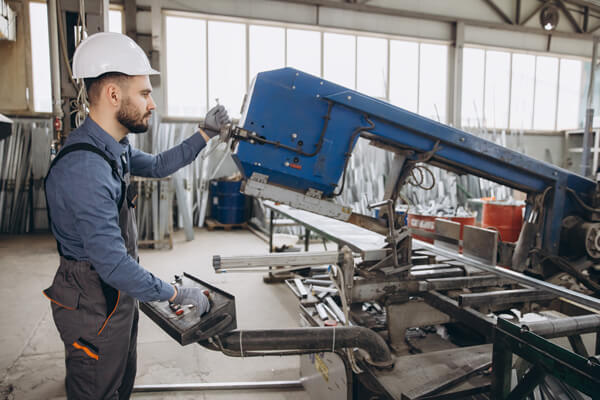
For those mostly cutting mild or carbon steel, the standard bandsaw is built for such materials and it requires little to no augmentation to process it day in and day out. But when the cut lists jump over to stainless steel, aluminum or more exotic alloys, the standard saw begins to show its limitations.
Upgrades include such items as specialized blade guides to help minimize deflection and chatter while maintaining a straight and accurate cut. Blade guides can also prevent the blade from wandering in work-hardened zones. Saw operators reach for their carbide-tipped or premium bimetal blades when cutting metals like nickel, Hastelloy, titanium and Inconel.
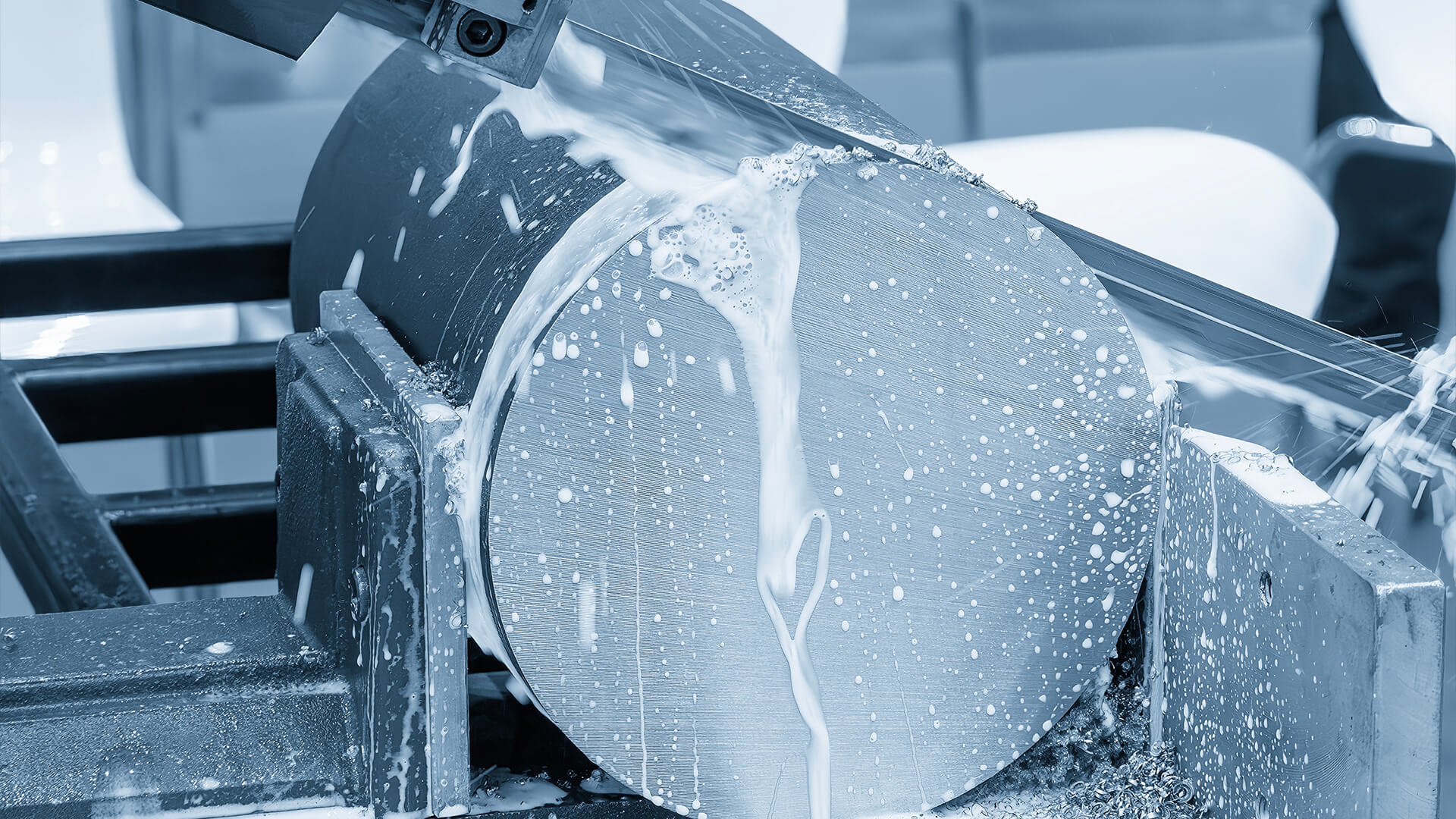
Harder materials are managed more successfully with saws that have enhanced coolant/lubricant systems, and more options related to speed and feed controls, which fine tune how the blade interacts with the more challenging materials. This not only provides cleaner cuts, but it can also save on blade life.
Considering dimensions
How thick is the material? What is the diameter? Is it solid or tube? Answering these questions leads to better cutting. For example, if the material is larger in diameter, the machine needs greater throat capacity. If the material is thick, the saw needs the horsepower to keep up and saw operators need to ensure their blade is robust enough to manage thicker material.
When the application involves pipe or tube, saw operators need to know that hollow sections often trap heat differently than solids, which means dialing in the coolant flow is critical. For example, is the inner wall of the material getting hit with coolant? This prevents overheating and saves on blade life but also aids in clearing chips and achieving cleaner cuts.
One cannot over stress the value of the correct blade in this situation, as the blade type (carbide, bimetal, etc.) and tooth geometry are equally as important as the aspects of the saw itself. With tube, saw operators are mainly focus on reducing vibration that leads to blade bounce, which is why a variable-pitch blade is often employed. And to avoid tearing or grabbing on thinner walled material, a blade with a finer tooth count is the go-to option.
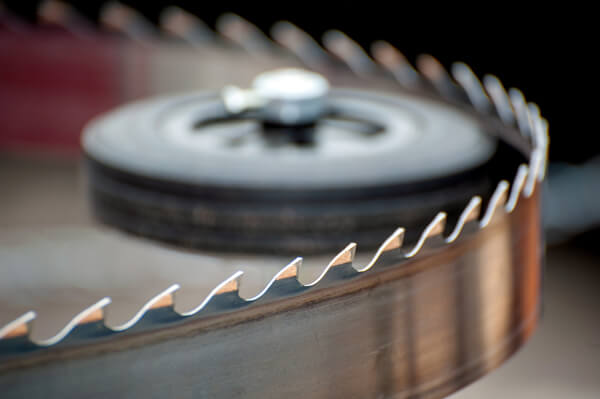
Anna Jungers, inside sales representative at DoAll Sawing Products, describes some of the attributes of a blade made for demanding material.
“(The STC blade) combines an ultra-hard tungsten carbide cutting edge with a tough, fatigue-resistant backing,” she says. “The set tooth configuration allows for aggressive, clean cutting with less vibration. This design extends blade life significantly and ensures smoother cuts – even in materials that traditionally wear down blades quickly.”
Workload matters
When deadlines are tight and the amount of material being processed seems never ending, a shop outfitted with only a manual saw is probably going to point to it as the source of the bottleneck in production. The manual saw also prevents shops from taking in more customers. Upgrading to fully automatic saws comes at a hefty price, and one that smaller shops might find impossible to justify. But for those that can work in the expense, the outcomes are nothing short of phenomenal; cut lists that took weeks on the manual saw are completely processed in a day or two on the automated machine. In a high-volume situation, the return on investment comes fast.
The automated solutions nearly eliminate human error that leads to a mountainous scrap pile. The measuring, clamping, feeding and indexing is out of the hands of humans and programmable cut lists are managed by the machine. This not only reduces labor costs, but results in greater efficiency and gives a shop the ability to scale operations with ease.
Material handling
Today’s automated sawing systems come with optional add-ons, including material handling where cut pieces are organized into bins of similarly cut material. Other add-ons include getting the raw material to the saw, as well as taking the processed material away. Infeed and outfeed conveyors, building clamps and roller tables are all options for streamlining loading and unloading.
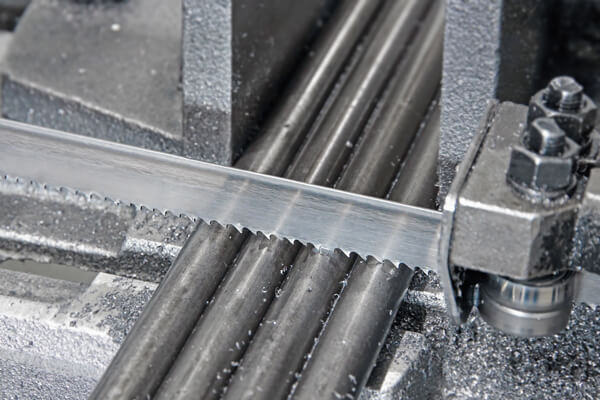
Operators who have gone from a manual material handling process to an automated one can attest to the reduction in worker fatigue, and shop owners can speak volumes about improved cycle times. Material handling systems can also improve accuracy by better aligning material or prevent shifting during cutting. Furthermore, long and/or heavy material is supported, which helps to reduce blade binding.
Addressing safety
Job shop owners are often proud of their high-tech machines and the investments they have made in their business, but they quick to point to their employees as the most valuable assets. Keeping them safe is a high priority. Unfortunately, old saws often lack some basic safety features that lead to devastating injuries. Saw operators can be exposed to a variety of hazards, including pinch points, blade contact, material kickback and more, all of which can be prevented.
Upgrading to more modern sawing systems brings a host of advantages, including emergency stops, automated clamping systems and blade guards. Some sawing machines have two-handed controls, eliminating the risk of an appendage in the sawing area. Automatic shutoffs kill the operation of a saw the moment any part of the human body enters a hazard area. Sensors are also installed to protect against improper positioning or blade overload.
Safety features are most often associated with preventing worker injury, but they can also promote safer workflows, which assist shops in complying with various local, state and federal regulations and reduce a shop’s overall liability.


