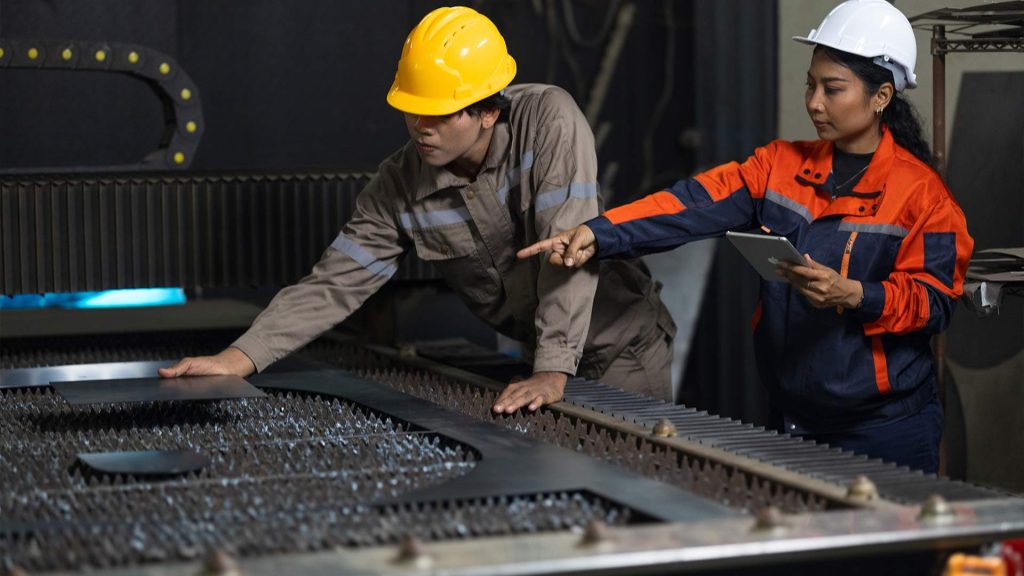
There’s a new player in the manufacturing software industry, but its roots run deep. Opening its doors earlier this year, NestSoft is focused on delivering advanced, flexible and easy-to-use solutions for North American fabricators. The company’s mission is clear: Help shops streamline operations, cut waste and stay competitive in a market where costs are rising, labor is scarce and customers expect faster turnaround more than ever.
While the name may be new, its leadership is anything but. CEO Joe Keblesh has more than 35 years of experience in fabrication, manufacturing software and industry automation.
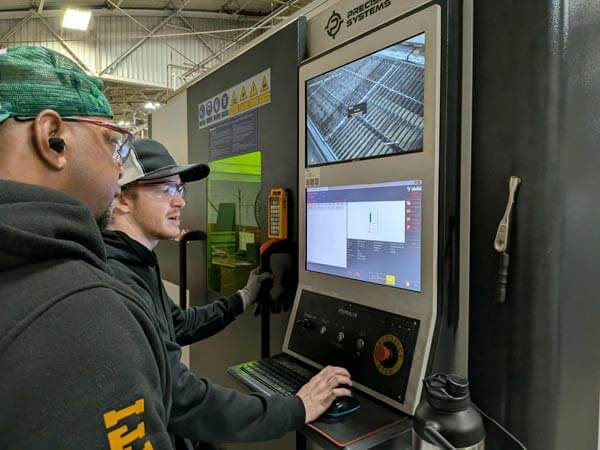
I recently spoke with Joe to discuss what sets the company apart, challenges facing the industry and how smaller fabricators can thrive in today’s increasingly complex and competitive production environment.
FAB Shop: What was your motivation for starting NestSoft?
Keblesh: Because I came up through the fabrication ranks as a grinder, programmer, operator and supervisor, I know the shop floor and what it feels like to fight with software that doesn’t make sense or wastes more time than it saves.
Shops don’t have the luxury of trial and error. We want to make life easier for them, cut down on waste and keep jobs moving. This means providing fabricators with practical tools that fit how they operate day in and day out – not how someone thinks they operate.
Does your own background shape the way you lead NestSoft?
It absolutely does. Like I said, I’ve been in the trenches. I’ve programmed parts at 2:00 in the morning to meet a deadline. And I’ve dealt with software that didn’t match the reality of the shop floor. That experience keeps me focused on providing answers to day-to-day problems of shop owners and equipment operators.
NestSoft implies “nesting software.” Is that what you offer?
Nesting is where we start, but we don’t stop there. Nesting is huge in maximizing yield, but shops also need quoting that’s fast and accurate, bending simulation so parts fit right the first time and workflows that don’t require three people entering the same data. What we’re really doing is helping eliminate material and time waste by connecting operations from quoting to finished parts.
Why is your partnership with Libellula so important?
It isn’t just important, it’s huge. Libellula is one of the best CAD/CAM providers in the world. They’ve been around for decades and have a reputation for building solid, powerful software.
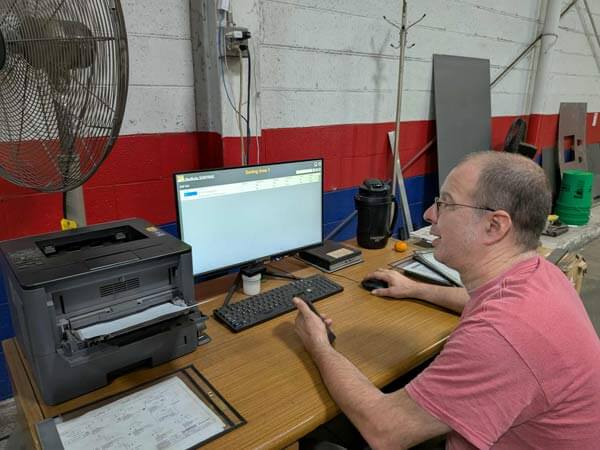
This partnership allows us to bring that proven technology to shops here in North America and back it with local support. For shop owners, that means they aren’t dealing with some untested startup, and they have someone right here who understands their business.
How can smaller shops stay competitive today?
Across the board, fabricators are dealing with tight margins, labor shortages and customers that want it all yesterday. This is especially challenging for smaller shops where it’s critical to squeeze every drop of productivity out of machinery and resources.
Cutting down on non-value-added work is the key. And this doesn’t require massive investments or changes. If a shop can quote faster, program faster and get more parts out of a sheet, it’s taking steps in the right direction. And all these steps really add up.
The word efficiency gets tossed around a lot, but that’s really what it boils down to. Run lean with fewer errors, less waste and more time to focus on getting products out the door.
Like anything, it takes commitment. Shops have to be willing to scrutinize operations and be serious about making improvements. That’s really how smaller shops can compete while improving the bottom line.
Are these the biggest pain points shops face today?
I’ve been in more fabrication shops than I can count, and one of the first things I see is material waste. Scrap costs money, and a shop that is tossing it is losing margin. Another big one is disconnected systems. Quoting, programming, production and front office systems don’t talk to each other in a lot of shops, so the same information is entered three times and mistakes happen.
Finally, it’s hard to find replacements for retiring skilled programmers and operators. A lot of shops still rely on manual processes, and that just adds more work on top of everything else.
What role does automation play in your software vision?
I mentioned the labor shortage, and that’s one example of where automation comes in. It isn’t about replacing people; it’s capturing and leveraging experience and best practices. Automation makes everyone more productive by freeing them from the tedious, repetitive stuff. By letting the software handle nesting layouts, toolpaths and quoting, people can focus on running jobs, making improvements and solving real problems.
Think of it more like assisted intelligence rather than artificial intelligence. The software is a tool that works with people. The operators still make the important calls.
Where do you see the fabrication industry in five years?
We’re going to see shops get a lot more digital. Shops that embrace connected software and automation will pull ahead, and the ones that stick with manual processes won’t stick around for long.
This can also help attract younger workers. These people have grown up with technology; they use it in their daily lives and expect to use it in their careers. Manufacturing is competing with other industries to attract these workers, and technology has to be a big part of their career.
At the same time, customers are going to expect even faster turnaround and more flexibility in order sizes. Forget five years. This time next year, the shops that thrive will be the ones that run lean, eliminate waste, and embrace automation and practical tools that make their people’s lives easier rather than more complicated.
How does NestSoft fit into that future?
That’s exactly what we’re building for. The answer isn’t about giving shops a bunch of functionality they’ll never use, it’s about providing the practical digital tools to win more jobs, reduce scrap and keep jobs moving with fewer hands.
We’re helping smaller shops make that transition to connected, efficient operations without overwhelming them. If a shop owner can say, “We’ve improved our bottom line because of NestSoft,” then we’ve done our job.
What advice would you give shops that are reluctant to give up on what’s comfortable?
I get it, we’re comfortable with what we’re familiar with. And many of these companies are doing OK with the status quo. But spreadsheets and legacy systems are holding them back. Jobs are getting more complex, margins are thinner, and shops can’t afford the rework and wasted time.
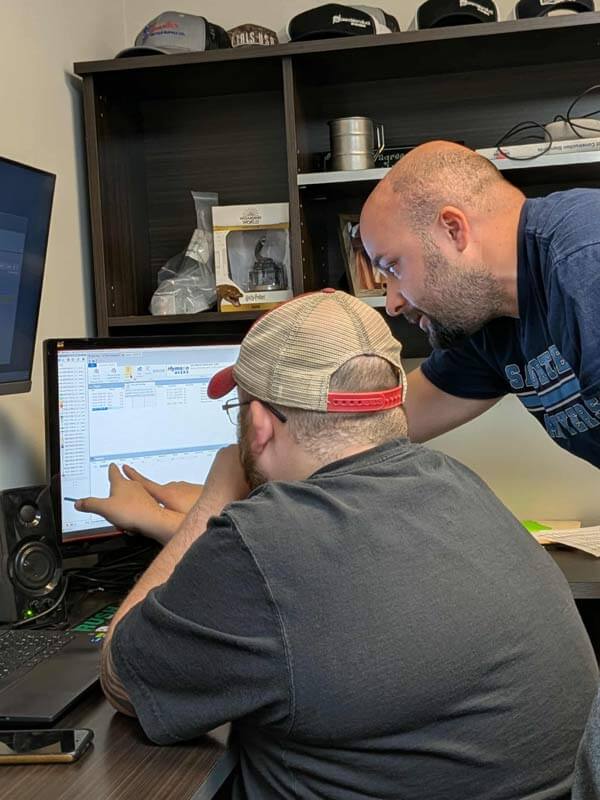
The good news is that the ROI on software like ours is real. Faster quotes, less scrap, fewer mistakes – it all adds up fast. Shops should start small if they want, but they need to start. The sooner they do, the sooner they’ll see the payoff.
Where is the industry still lacking when it comes to practical tools and solutions?
Too much of the software out there was built for the “big guys” and then pushed down to smaller shops. That leaves shop owners paying for 100 features they don’t need while still not getting the 10 they do.
Things like simple job tracking, real-time material usage and straightforward scheduling are still missing in a lot of solutions. That’s the gap we’re focused on closing.
What’s really different about NestSoft?
That’s the million-dollar question. Look, a lot of what we talked about here is something that shop owners, supervisors and operators hear all the time. A favorite saying of mine is “I see better than I hear.” All we ask is the opportunity to back this up. We aren’t trying to be everything to everybody. We’re focused on fabrication, and we provide the tools that make real sense for shops.