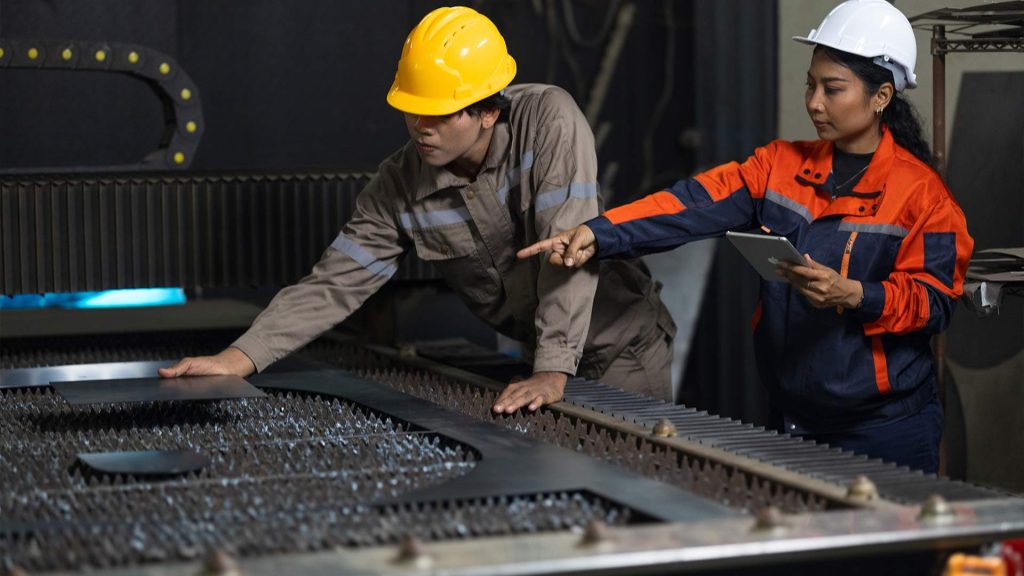
In recent decades, the sheet metal cutting sector has undergone a dizzying evolution with the emergence of technologies that have come to revolutionize the industry. Among these, laser cutting is the stand-out due to its precision and versatility. However, to consider laser cutting alone oversimplifies an industry with complexities that include a variety of processes, materials and technical requirements.
The path to efficient, high-quality production is not limited to the act of cutting sheet metal but extends to comprehensive manufacturing management and handling additional operations that challenge the capabilities of the simplest machines on the market.
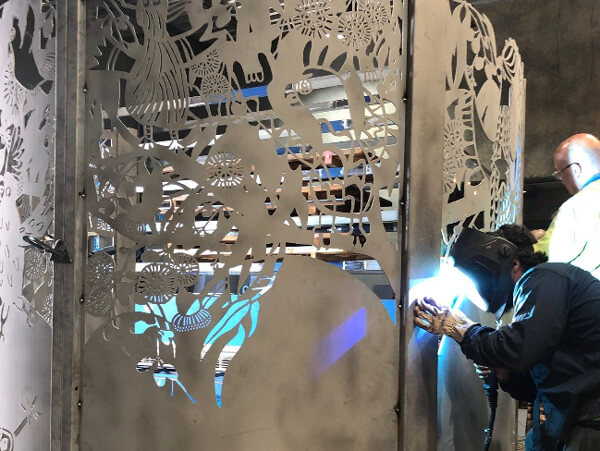
While cutting sheet metal is the essential first step, this is only one part of a larger system that includes operations such as drilling, tapping, drawing, milling, countersinking and bending. These operations are crucial to ensure that the final parts meet the functional and aesthetic specifications needed in industrial applications. In addition, each of these tasks requires ad-hoc mechanisms, which not all machines have.
In fact, there are advanced machines in the marketplace that can integrate these operations into a single piece of equipment, reducing the need for manual transfer between stations and improving overall efficiency. This type of solution is especially useful when working with thick materials or complex parts that require finishing touches – such as chamfers; these tasks were historically reserved for plasma and oxyfuel cutting. However, as laser cutting machine capabilities grow, they are increasingly capable of performing these finishing touches.
The real challenge
Through the emergence of inexpensive equipment from various countries, access to laser cutting machines has been democratized. This means that the success of a company does not necessarily depend only on the ability to cut parts. As a company’s capabilities grow, so does the complexity of managing production to ensure optimal use of resources.
Currently, it is common to find platforms that offer fast sheet metal cutting services through automated systems where customers upload a CAD file, receive a quote and receive their parts manufactured within a few days. However, these solutions tend to fall short when it comes to cutting complex parts. This is where end-to-end platforms, capable of managing the budget and the manufacture of complex parts, provide a better value.
The market offers a variety of technologies for cutting and converting sheet metal, each designed to meet specific needs. For example, punching machines are still indispensable for applications where parts have regular geometries and are mass-produced, even though laser cutting machines have encroached on this market a bit. These machines are extremely fast and efficient in such contexts. On the other hand, laser cutting machines excel in the manufacture of irregular parts or in diversified productions.
But when additional operations, such as threading, countersinking or drilling are required, simpler machines do not have the capacity to undertake them. To meet these needs, it is necessary to invest in more advanced and structured equipment that integrates multiple capabilities in a single system (typically known as punch-laser combination machines). Although these types of machines represent a significant investment, the savings in time, labor and efficiency in the long term make them a strategic choice for companies looking to stand out and establish themselves in the market.
Constant evolution
Technological developments are also changing the rules of the game in sheet metal cutting. The ability of lasers to cut thicker materials with high precision is progressively displacing other traditional technologies such as plasma cutting, especially in applications where the aim is to reduce operating costs and improve the quality of finishes.
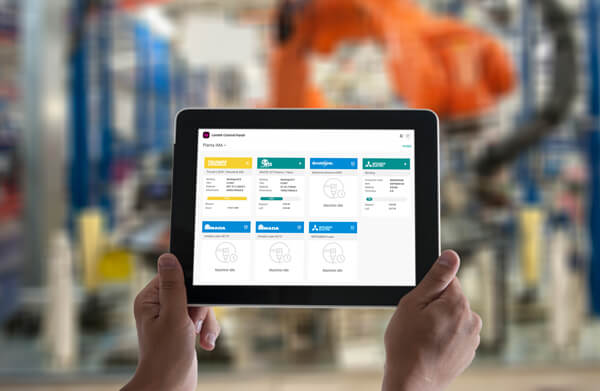
This transition also highlights the importance of software systems that coordinate each stage of production. Solutions such as those from Lantek have been essential in integrating the management of complex tasks, optimizing not only cutting but also the subsequent processing of parts. This comprehensive approach of combining advanced machines with advanced software allows companies to address the diversity and demand of the sector effectively.
In an environment where basic options are widely available, companies that rely on advanced, connected solutions that can perform complex operations and efficiently coordinate production are the ones that really make the difference.
Investing in technology is not just a matter of acquiring machines, but also acquiring software sophisticated enough to provide the quality, flexibility and efficiency needed to stand out in an increasingly competitive market. Lantek, among other companies, has shown that this comprehensive vision is the right way to overcome the current and future challenges of the sector.