For years, the prevailing narrative surrounding the labor shortage in the fabrication and manufacturing industries focused on a perceived lack of interest among the younger generation. Many assumed Gen Z avoided jobs where they might get their hands dirty. However, new research from Airgas suggests a different story.
A 2025 Airgas survey of nearly 100 skilled trades students and 90 educators found a more practical reality. The primary obstacle isn’t a lack of interest; it’s a critical information and exposure gap. While students are increasingly looking at the trades as a viable path to financial security, they are hitting a wall when it comes to understanding how to actually enter the field.
For companies across the industry, this data provides more than just a snapshot of the current landscape; it offers a blueprint for how we can bridge the graduate-to-job disconnect. By understanding the specific needs of students and teachers, businesses can start building their own future workforce.
Interest without info
The most striking finding from the Airgas survey is the high level of enthusiasm among students already enrolled in trade programs. The survey found that 76 percent of skilled trades students expressed a clear interest in pursuing a career in the field. This fits with a national trend of younger generations looking for high-tech careers that don’t come with the high cost of a four-year degree.
Even so, 72 percent of those same students feel they don’t have the basic information they need to get started. They are finishing their education but cannot see the next steps into their professional lives. Some of the factors leading to the disconnect include:
- The exposure gap: Many students have high interest but low exposure to actual shop environments.
- A practical training shortfall: Students often lack access to the hands-on training, internships and in-person mentorship required to transform their initial curiosity into a committed career path.
- Transparency issues: Students want clear details on pay, benefits and long-term growth potential, but often find this information difficult to access during their schooling.
The greatest needs
To bridge this gap, we must first look at what is happening on the front lines of education. Educators are the link to the next generation of workers, but they often work with limited resources. Getting their perspective, therefore, is critical. According to the survey, educators identified two primary needs to better prepare their students:
First is modern equipment. Technology in the fabrication industry moves at a lightning pace. Teachers report that without access to modern equipment – the same tools students will use on the job – there is a significant “readiness gap” upon graduation.
Second is industry presence. Teachers are calling for industry professionals to be physically present in the classroom. They need role models who can demonstrate that the trades offer sophisticated, high-tech and financially rewarding careers.
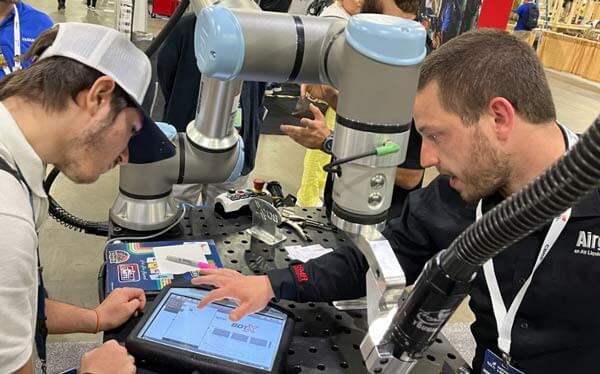
With the student’s perspective being equally important and critical, it’s key to keep in mind that students aren’t just looking for a paycheck; they’re looking for a roadmap. Their top requests include:
- Hands-on exposure: Facility tours and direct conversations with professionals.
- Mentorship: In-person guidance that transforms classroom knowledge into professional commitment.
- Digital access: Online resources that clearly outline the different types of skilled trade opportunities available today.
A how-to guide
The survey findings suggest that the solution to the skilled labor shortage lies in a collaborative effort between industry and education. Here is how your company can help:
- Invest in the classroom of the future. One of the most effective ways to ensure graduates are day-one ready is to support the programs that teach them. This goes beyond simple donations:
- Equipment and consumables: Providing modern welding machines, safety PPE and consumables ensures students are learning on the equipment they will actually use in your shop. Next time you upgrade your equipment, consider donating the older machines to a local school so they can put the hand-me-downs to good use.
- The Airgas model: Programs like the Airgas High School Welding Education Initiative provide a customized mix of equipment and professional development for teachers. The program has reached more than 16,000 students and 817 instructors across 191 schools since the program launched nationally in 2018, helping more than 3,100 students secure jobs directly after graduation in the last five years.
2. Open your doors. Because the survey shows that lack of exposure is a primary barrier, the most immediate fix is to show students what you do.
- Facility tours: Hosting local high school, tech school or community college students for a tour takes relatively little time but has a massive impact on perception. It allows students to see the technology, innovation and safety of the industry firsthand.
- Workplace internships: Creating structured, short-term internships, shadowing or work-based learning opportunities allows students to build the knowledge that is often missing from traditional school curriculum.
3. Become a classroom presence. Teachers are eager for partners, not just donors.
- Guest speaking: Send your shop leads or younger technicians to talk to students. Students often relate better to peers who are only a few years ahead of them in their career journey.
- Teacher training: Sometimes the educators themselves need updates on the latest industry trends. Providing professional development for teachers ensures that the curriculum remains relevant.
4. Be transparent. Address the information gap by being open about the career trajectory.
- Career pathing: Clearly define what a career looks like after five, 10 or 20 years.
- The economic advantage conversation: Help students and their families understand the tangible ROI of a skilled trade education. Highlight the “earn-while-you-learn” model through paid internships and apprenticeships and provide local, actionable data regarding starting pay and benefit packages for full-time hiring opportunities. Highlighting these numbers can be a powerful motivator.
Communication shortage
Projections from organizations like the American Welding Society (AWS) suggest a need for more than 320,500 new welding professionals by 2029. With many workers reaching retirement age, the industry risks losing a lot of talent.
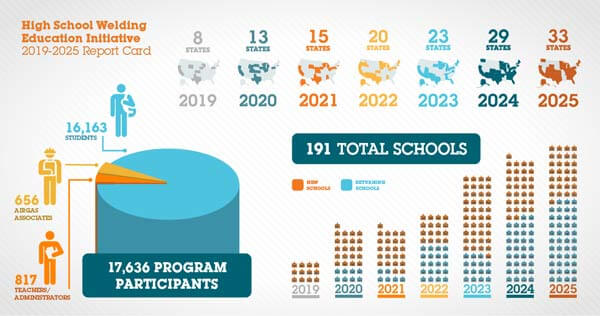
If companies rely solely on the current education system to solve this, the skilled trades gap will continue. However, when industry steps in to provide the resources, mentorship and real-world context that students crave, the results are measurable.
The skills gap is often described as a shortage of workers, but the Airgas research suggests it is equally a gap in communication and connection. By adopting this blueprint – supporting local educators, providing hands-on exposure and being transparent about the rewards of the field – we can ensure that the fabrication industry remains vibrant, high-tech and fully staffed for decades to come. The future of the skilled trades isn’t just in the hands of the students; it’s in the partnerships we build with them today.