
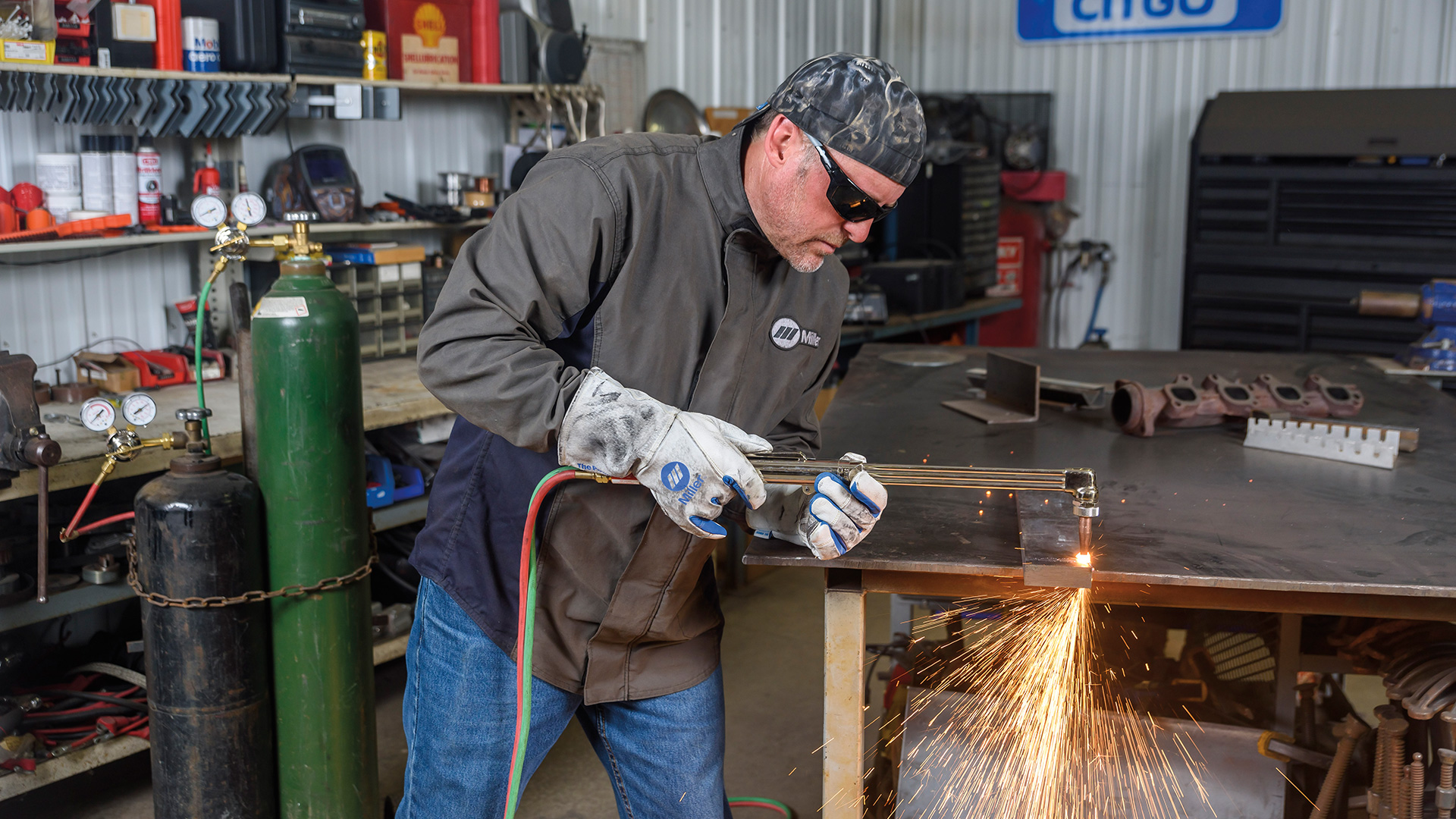
Whether heating, cutting or welding, a regulator is the crucial device that controls the pressure of the oxygen and fuel gas from the cylinders to the torch. The right regulator ensures the gas flow is consistent and stable, which is vital for achieving high-quality welds and cuts.
Overall, the right option ensures compatibility, safety and optimal oxyfuel performance – and who doesn’t want that? Here are the key factors to consider when selecting a regulator for oxyfuel applications.
Determining compatibility
Regulators are designed specifically for different gases, such as oxygen, acetylene, propane and other fuel gases. Each gas has distinct characteristics, so it’s imperative that the regulator is compatible with the specific gas being used. If the wrong regulator is used, it can lead to injury, equipment damage, regulator burnout or explosions.

Acetylene is the most common type of fuel gas used. Its high flame temperature and concentrated flame makes it a popular choice for cutting and welding. Acetylene regulators can only support 15 psi or below, otherwise decomposition can occur. This refers to the breakdown of the acetylene gas under specific conditions, such as excessive heat or high pressure. Because of the gas’ instability, using a regulator that supports high delivery pressures is hazardous because under certain circumstances, it can lead to fires or explosions.
Liquefied petroleum (LP) gases, such as propane and propylene, are also commonly used. Propane has a lower flame temperature than acetylene, but it puts off more heat. This heat output is desirable for some heating and brazing applications. Propylene has a slightly higher temperature than propane and is a versatile fuel that can be used for various operations. Overall, LP gas regulators allow pressures exceeding 50 psi.
Oxygen regulators are designed specifically for oxygen and have high-pressure input capabilities and an output range suitable for oxyfuel processes up to 200 psi.
From a best practices standpoint, using regulator adaptors to switch between gases or even swapping regulators across different types of fuel cylinders is not advised. Using a non-oxygen regulator in oxygen service increases the risk of fire if the regulator was previously used for a fuel gas or if it doesn’t meet oxygen cleanliness standards.
Additionally, using an oxygen regulator for a different gas is hazardous because oxygen can soak into elastomers, such as O-rings and diaphragms. Once the fuel is introduced, the oxygen can then “outgas” into the fuel, and when there is mixed gas in the regulator, it increases the risk of flashback or regulator fire.
Secure connections
Inlet connections on regulators are designed to connect the regulator to the gas cylinder or supply line; the size of the gas cylinder helps determine the right inlet connection. These connections are crucial for ensuring a secure and leak-free attachment. The Compressed Gas Association (CGA) established three-digit identifications that align to the type of gas, cylinder size and pressure rating for which the regulator is intended.
As an operator assesses the regulator, they’ll notice there are male and female fittings. This refers to the types of connection interfaces used to join the regulator to gas cylinders, hoses and other equipment. Understanding these terms and their differences is important for selecting the correct parts and ensuring a safe, secure and leak-free connection.
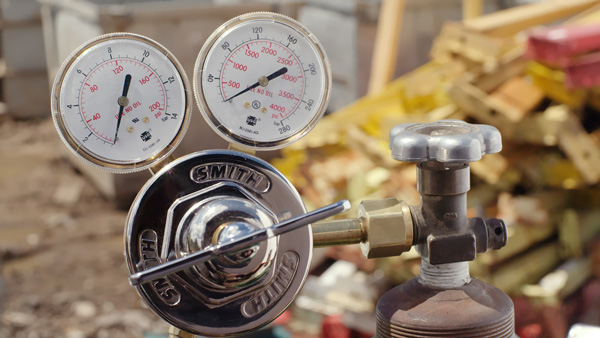
Male fittings have external threads that screw into a corresponding female fitting. The fittings have threads on the outside of the connector, allowing them to be inserted into a female fitting. Male fittings are often found on gas cylinders or the outlet side of a regulator, which connects to a hose or torch. They are also used for high-pressure connections.
Female fittings have internal threads on the inside of the connector, allowing the external threads of a male fitting to connect. Female fittings are typically found on hoses and on the inlet side of a regulator that connects to the gas cylinder or supply line.
Another detail to pay attention to is that oxygen regulators typically use right-hand threaded fittings while fuel gas regulators usually have left-hand threaded fittings. Ensuring the thread is positioned correctly and connects easily is another way to help ensure that it’s the correct option.
Impacting performance
The torch and tip being used for the oxyfuel application dictate the regulator an operator should use. All cutting, heating and welding tip sizes have designated pressure recommendations and gas flow requirements, which will inform as to which regulator is right for the application.
Compare the pressure requirements for the torch tip with the delivery pressure for the oxygen and fuel gas regulator. The delivery pressure of the regulator should be the same or higher than the pressure requirement for the tip. When assessing the gas flow, compare the flow requirements of the tip to the flow chart of the regulator to determine if it has the capability necessary for the application.
The flow chart is a good reference to cross-check known values that are found in a spec sheet, including the pressure and flow requirements for the application or tip. Once an operator has the numbers from the spec sheet, they can look at the flow chart to find the required delivery pressure on the vertical axis and then move horizontally across the chart until the line intersects with the curve corresponding to the inlet pressure. It will show the flow against the delivery pressure and whether it’s enough flow for the intended application.

As general rules of thumb, higher gas flow rates are needed for:
- Larger torches or when multiple torches are used simultaneously
- When cutting generally requires a higher flow rate than welding or brazing
- When larger torch tips used for cutting, heating or heavy-duty applications need higher flow rates
Desired working pressure
Based on the application, an operator needs to determine whether a single- or two-stage regulator is the right option for the job. A single-stage regulator reduces cylinder pressure to the desired working pressure in one step and is acceptable if slight variations in pressure are allowable. This option is ideal for light-duty tasks and short-term cutting, heating and welding jobs. As the cylinder pressure decreases, the output pressure may increase slightly, which would require manual adjustments during extended use. If stable pressure is critical over longer periods without adjustment, a two-stage regulator is the appropriate option.
Two-stage regulators reduce pressure in two steps, providing more consistent output pressure as the cylinder pressure drops. Although more expensive than a single-stage regulator, they offer better performance when stable pressure over long periods of time is required. Two-stage regulators are preferable for very precise applications where variability in pressure is a detriment to the job.
A well-chosen regulator ensures safe, precise control over the gas flow and improves the performance during the oxyfuel process. When manufacturers that consider and prioritize these key factors, it helps ensure a reliable and efficient setup for cutting, heating and welding tasks – leading to better compliance, risk management and overall success.


